



WTC Industrial SLP: building an integrated industrial ecosystem to enable next-generation investment in the Bajío
By María Fernanda Murillo
April 8, 2026
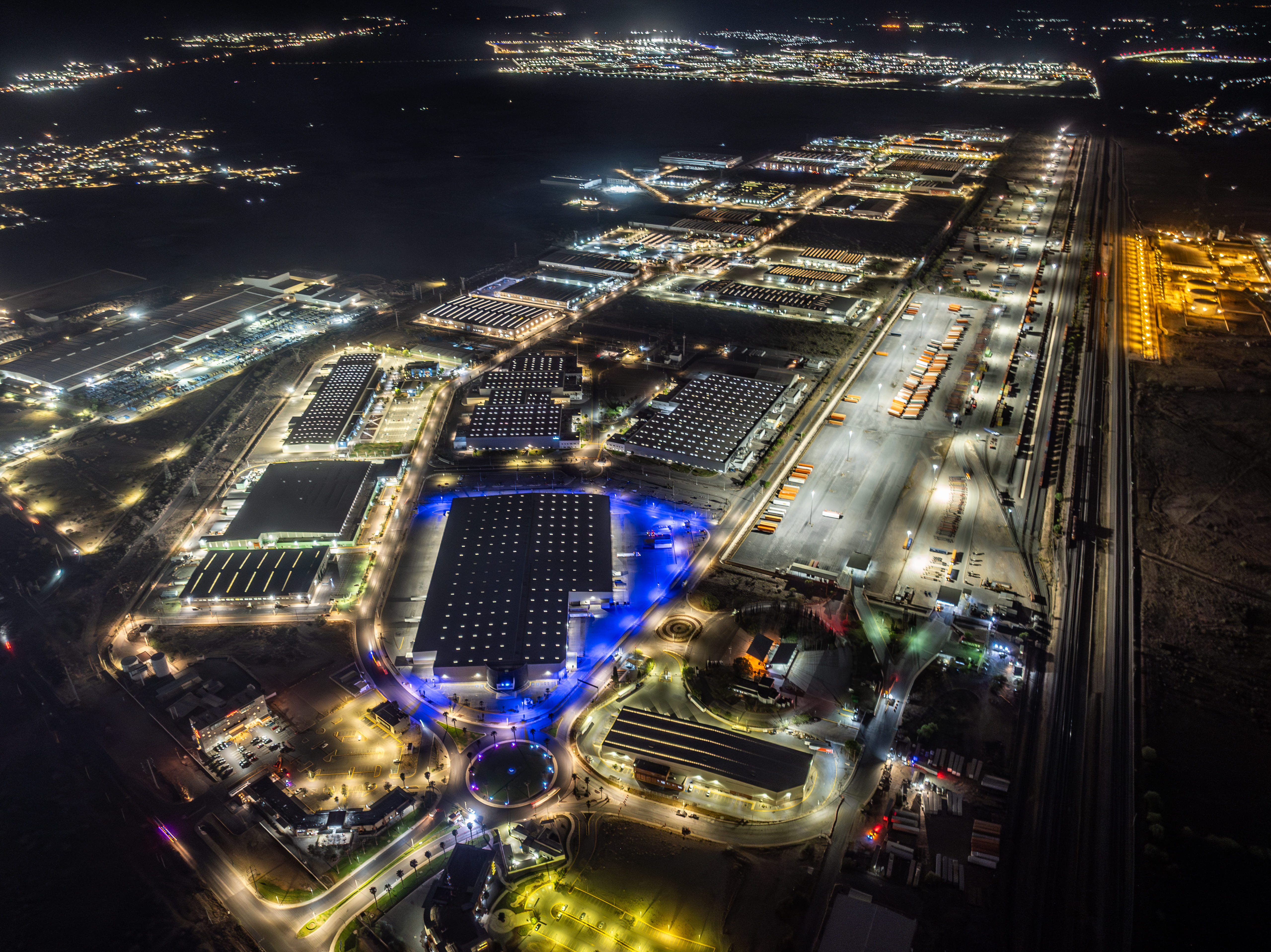
San Luis Potosí has steadily positioned itself as one of the most strategic industrial hubs in Mexico’s Bajío region, supported by its connectivity, workforce availability, and integration into North America’s manufacturing corridor. Within this context, WTC Industrial SLP has evolved beyond the traditional industrial park model, developing a comprehensive ecosystem designed to facilitate investment and long-term operational success.
From its early stages, the project was conceived not simply as a real estate platform, but as an environment capable of enabling companies to establish, operate, and scale efficiently within Mexico.
“Our vision from the beginning was to create an ecosystem that actively supports companies coming to invest in San Luis Potosí, not just offering land, but a complete operational environment,” explained Michele Porrino, Executive Director at WTC Industrial SLP.
Beyond infrastructure: redefining the industrial park model
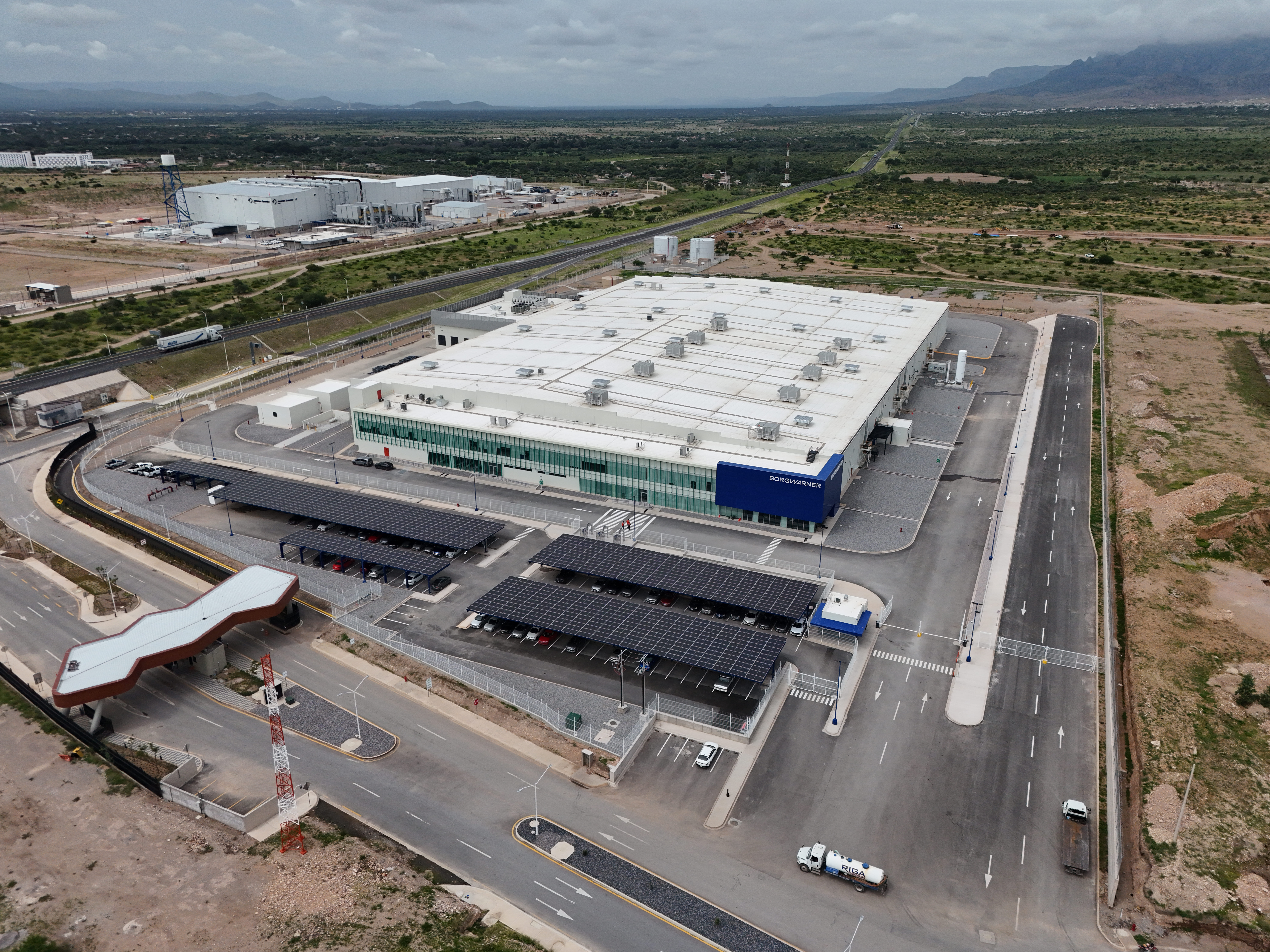
While most industrial parks provide essential elements such as land with legal certainty, internal roads, and controlled access, WTC Industrial SLP has built its value proposition around going significantly further. The project integrates a range of operational enablers, including on-site services, fiscal schemes such as the strategic bonded zone, energy solutions, and logistics infrastructure.
Among its most distinctive assets are an in-park customs facility and rail connectivity, allowing companies to streamline import-export operations while reducing logistical complexity.
“Offering additional services is important, but what truly makes the difference is guaranteeing that those services are available and operational when the client needs them,” Porrino noted.
Industrial diversification and evolving demand
Historically anchored by the automotive industry, which still represents over 70% of its client base, WTC Industrial SLP is now experiencing a broader diversification of sectors. In recent years, the park has attracted companies in metalworking, appliances, logistics, and distribution, reflecting changes in consumption patterns and supply chain configurations.
At the same time, emerging sectors linked to data centers and artificial intelligence are beginning to enter the radar, signaling a new phase of industrial evolution. This diversification is supported by one of the project’s key structural advantages: scale.
With more than 2,200 hectares across WTC I, II, and III, the development offers a level of flexibility rarely seen in Mexico’s industrial real estate market, where the average park size is approximately 50 hectares. This allows WTC to accommodate both small-scale operations and large manufacturing footprints, including facilities exceeding 400,000 square meters.
WTC III: a logistics-driven expansion
The launch of WTC III marks a new phase in the project’s development, introducing a logistics-focused platform strategically located along a major bypass that connects directly to the USMCA corridor. Unlike traditional industrial zones concentrated in the southern part of the city, this new location offers faster access, reduced congestion, and immediate connectivity to regional and international routes.
As a result, the development has naturally attracted distribution-oriented projects, including major facilities for companies such as Coppel and Tiendas 3B.
“WTC III has a clear logistics vocation driven by its location. Being next to the bypass allows companies to move in and out of the city efficiently, which is a key advantage for distribution operations,” Porrino said.
Despite this focus, the park maintains flexibility to accommodate manufacturing projects, reinforcing its adaptive approach to market demand.
Long-term competitiveness through infrastructure and certainty
Looking ahead, WTC Industrial SLP’s strategy is centered on maintaining its ability to deliver certainty, scalability, and operational readiness—three factors that are becoming increasingly critical for global investors.
WTC II alone offers more than 600 hectares of available land, enabling highly customized project configurations and long-term expansion opportunities. Additionally, the park’s built-to-suit capabilities allow companies to establish operations without significant upfront capital investment, accelerating project timelines.
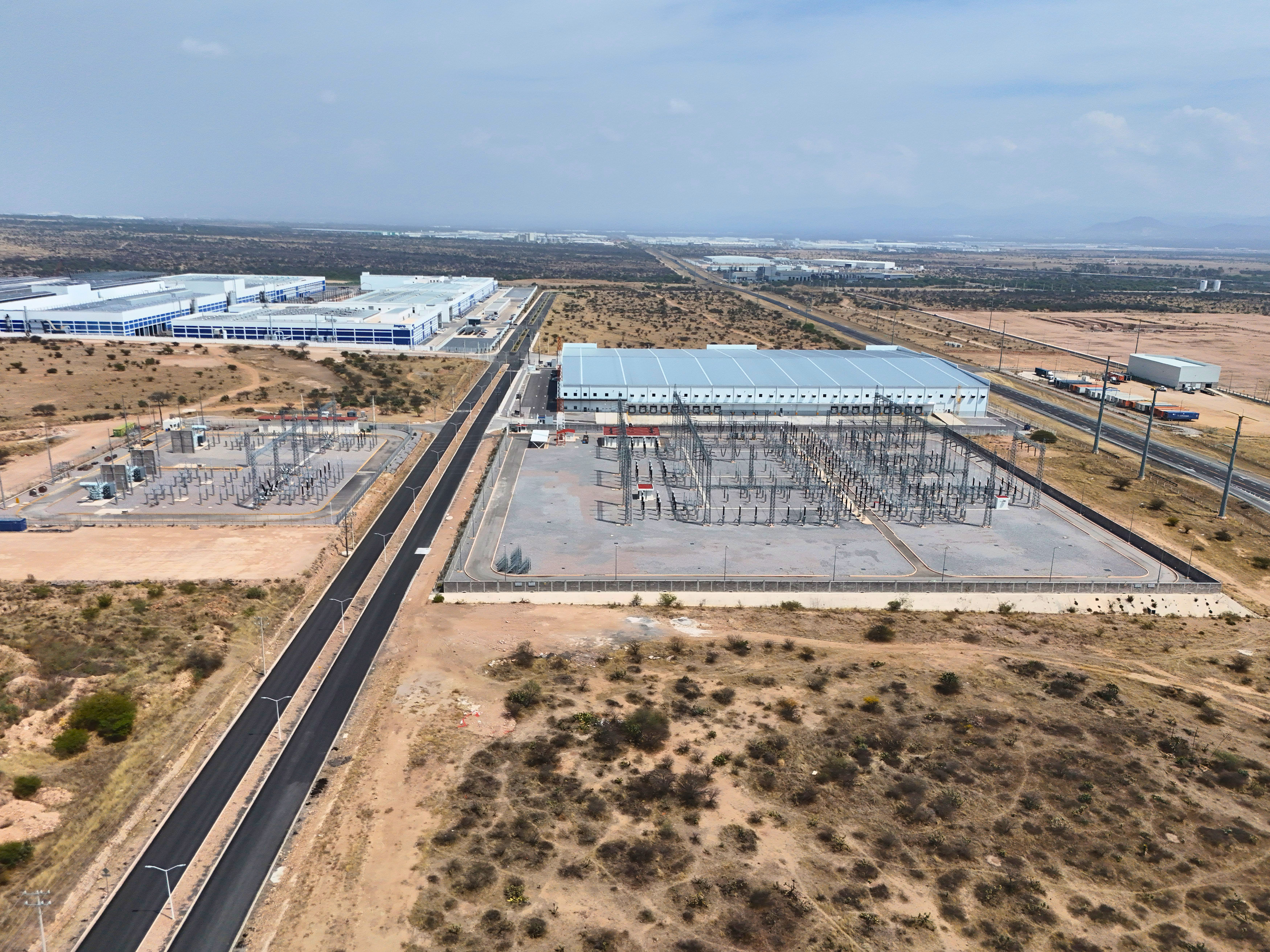
Energy readiness has also become a defining advantage. After nearly a decade of investment in energy infrastructure, WTC can provide immediate access to power—an increasingly valuable capability in Mexico’s industrial landscape.
“A company that acquires land with us today can be connected to energy almost immediately. In today’s market, that level of readiness can make a meaningful difference in project execution,” Porrino emphasized.
San Luis Potosí: a rising platform for North American integration
As global supply chains continue to reorganize around North America, the role of regions like San Luis Potosí is expected to grow significantly. Beyond its operational advantages, the state benefits from an established supplier ecosystem across the Bajío, enabling companies to integrate quickly into regional value chains.
From Querétaro to Aguascalientes and Guanajuato, this interconnected industrial network reduces dependency on distant suppliers and enhances resilience.
“Mexico and the United States are deeply interconnected. This is not a temporary dynamic—it is a long-term structural relationship that will continue to strengthen,” Porrino concluded.