



Time is running out to build in a sustainable way by 2030
April 6, 2026
In a decade marked by economic, social, and geopolitical changes, the need to reduce the environmental impact resulting from urban growth and energy demand is becoming increasingly urgent. Global pressure to improve air quality, reduce emissions, and build more efficient cities comes not only from international organizations but also from the real needs of communities and the business sector.
Envisioning 2030 with clean environments requires a strategic vision based on efficiency, innovation, and responsible design within sustainable construction.
Caring for the planet: an indispensable starting point
Caring for the planet is no longer an idealistic stance; today it is an essential component of economic and urban development. Rising levels of air pollution continue to affect global health and economic performance in virtually all regions.
In the Americas, air quality continues to show significant contrasts. The IQAir World Air Quality Report 2024 documents that regions in northwestern Brazil, such as Rondônia and Acre, recorded significant increases in PM2.5 during 2024. Urban cities like Los Angeles stood out among the most affected in the U.S. This scenario reinforces the need to incorporate high-thermal-performance materials and construction solutions that reduce emissions and improve environmental performance.
Anticipating the environmental impact of projects is key. Considering building envelopes, materials, thermal efficiency, and the life cycle of structures can translate into tangible steps toward a sustainable future.
When sustainability is no longer enough
The current challenge, in addition to reducing environmental damage, is to develop much more efficient solutions with lower energy demand.
It is necessary to anticipate the energy needs of the future. Cities continue to grow, global temperatures are rising, and emissions are still not slowing down at the expected rate.
According to the IEA Global Energy Review 2025, emissions from the energy sector reached 37.8 gigatons of CO₂ in 2024, representing a 0.8% increase compared to 2023, confirming that current actions are still insufficient to reverse the global trend.
These CO₂ emissions include fuel combustion, industrial processes, and fugitive emissions, underscoring the importance of adopting products such as sandwichtype insulated panels to optimize energy demand in modern construction.

Overview of CO₂ emissions in the Americas
In Canada, greenhouse gas emissions reached 694 Mt CO₂e in 2023, a 0.9% decrease from 2022, with the energy sector accounting for 81% of the national total.
In the United States, energy-related CO₂ emissions decreased by less than 1% in 2024, driven primarily by reductions in the residential and industrial sectors, while the electricity sector remained relatively stable.
For its part, Mexico continues to rely heavily on fossil fuels for its energy mix and remains among the major emitting countries. In 2024, it was one of the 16 nations responsible for more than 1% of global CO₂ emissions from fossil fuels.
In Brazil, although the energy mix has a high share of renewables, emissions have shown recent fluctuations due to deforestation and the expansion of fossil fuel activities, particularly oil exploration in the Amazon.
This landscape confirms that efficient construction is a key factor in reducing operational emissions and improving air quality in cities.

Possible actions from our front line
Even in challenging contexts, there are concrete actions that companies, architects, and developers can implement to reduce environmental impact:
• Choose sandwich-type insulated panels with higher insulating capacity
• Design building envelopes that minimize energy loss
• Reduce the use of HVAC systems through passive solutions
• Prioritize products manufactured using cleaner processes
• Implement life cycle assessments in projects
Each of these decisions directly contributes to more resilient buildings with a smaller carbon footprint.
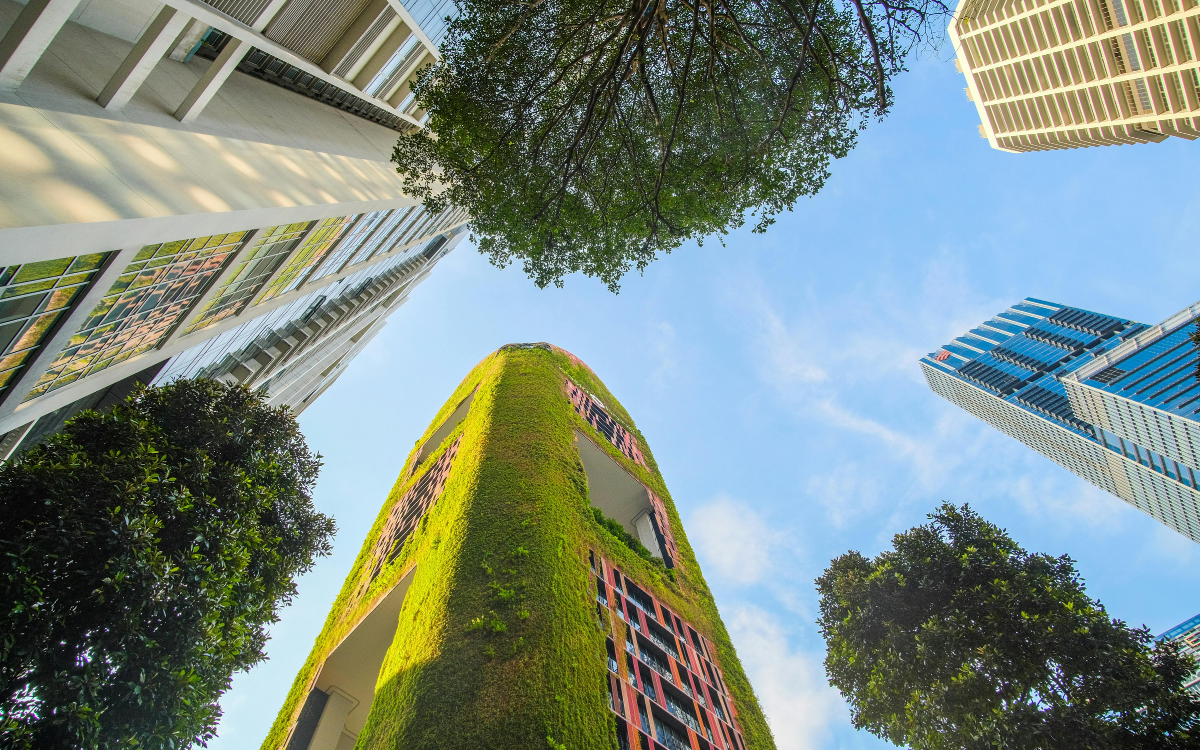
Major cities and efficient buildings: a strategic priority for 2030
Buildings and structures consume a significant proportion of global energy. Therefore, improving their energy performance represents one of the most effective strategies for addressing the environmental crisis.
Optimizing the thermal envelope reduces the demand for HVAC, lowering both energy consumption and associated emissions. In extreme climates—such as those found in many regions of Mexico—thermal efficiency becomes a key factor in ensuring comfort and reducing operating costs.
Additionally, efficient buildings offer greater financial stability for their owners, as they consume less energy, require less maintenance, and maintain more stable indoor conditions.
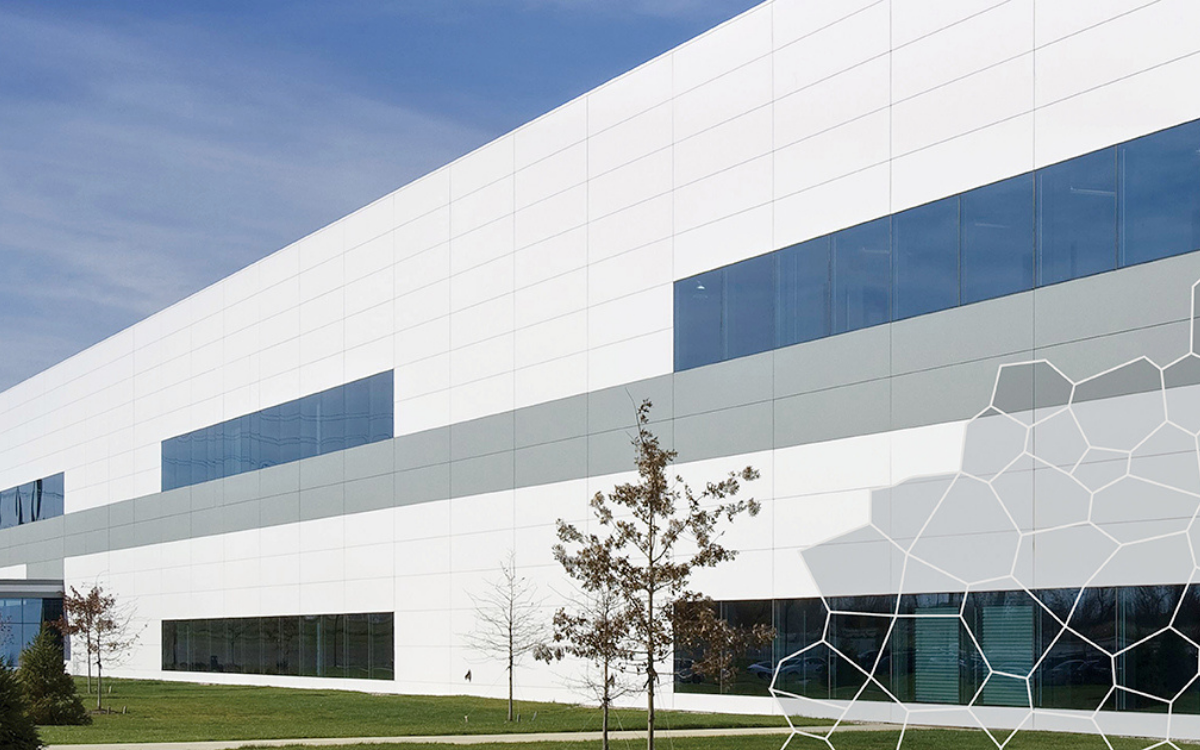
Material innovation: the path to more energy-efficient buildings
In recent years, innovation in construction has driven the development of materials that significantly improve the energy performance of buildings, including:
• Advanced insulation panels with lower thermal conductivity
• Roofing systems with special coatings
• Materials designed to improve airtightness
• Industrialized solutions that reduce on-site waste
All these technologies share a common goal: to reduce energy consumption starting with the building’s design.
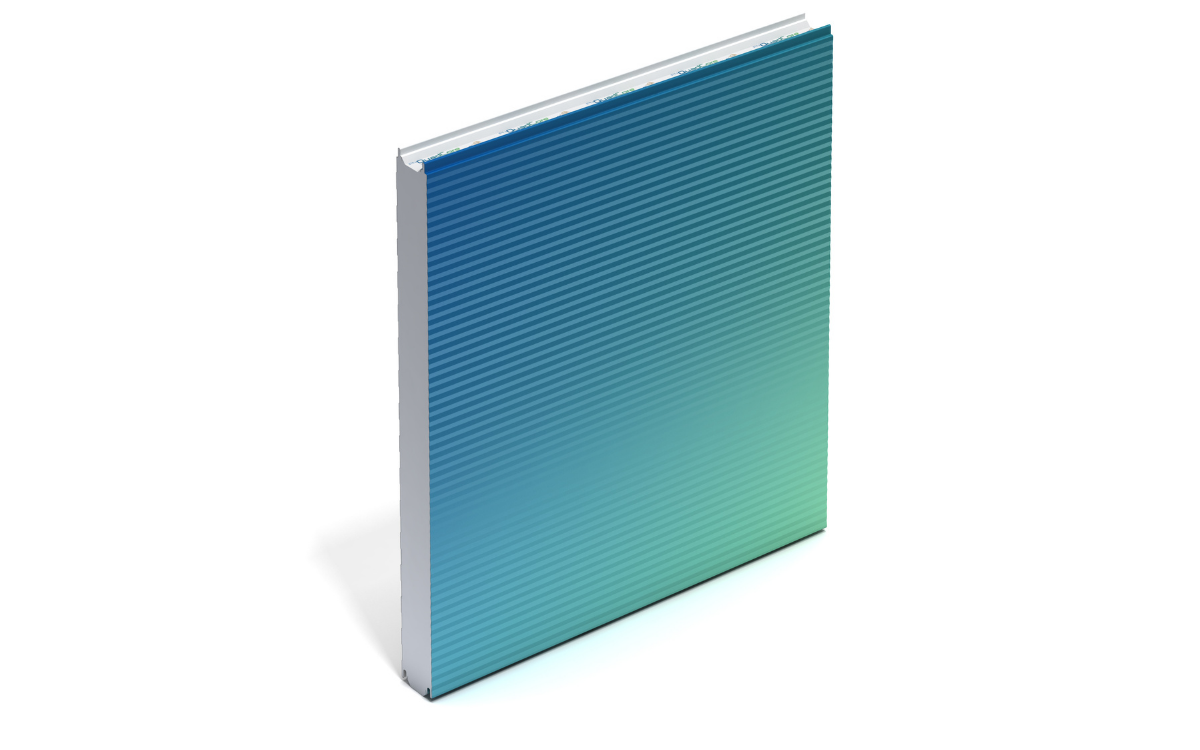
Sandwich-type or insulated panel systems vs. traditional systems
Sandwich-type or insulated panel systems offer clear advantages over traditional construction systems such as concrete.
Some of their main benefits include:
• Reduced thermal bridges thanks to their continuous structure
• Faster construction speed due to integration into prefabricated modules
• Less waste generated during construction
• Greater energy efficiency by controlling heat transfer
• Environmental protection thanks to the use of recycled materials
The global trend is for sustainable buildings to use panel systems to take advantage of all these benefits, contributing to the protection of our environment.
Although traditional systems remain dominant in Mexico, the use of sandwich panels is increasingly common, slowly moving beyond their niche market to become the preferred choice of construction development specialists.
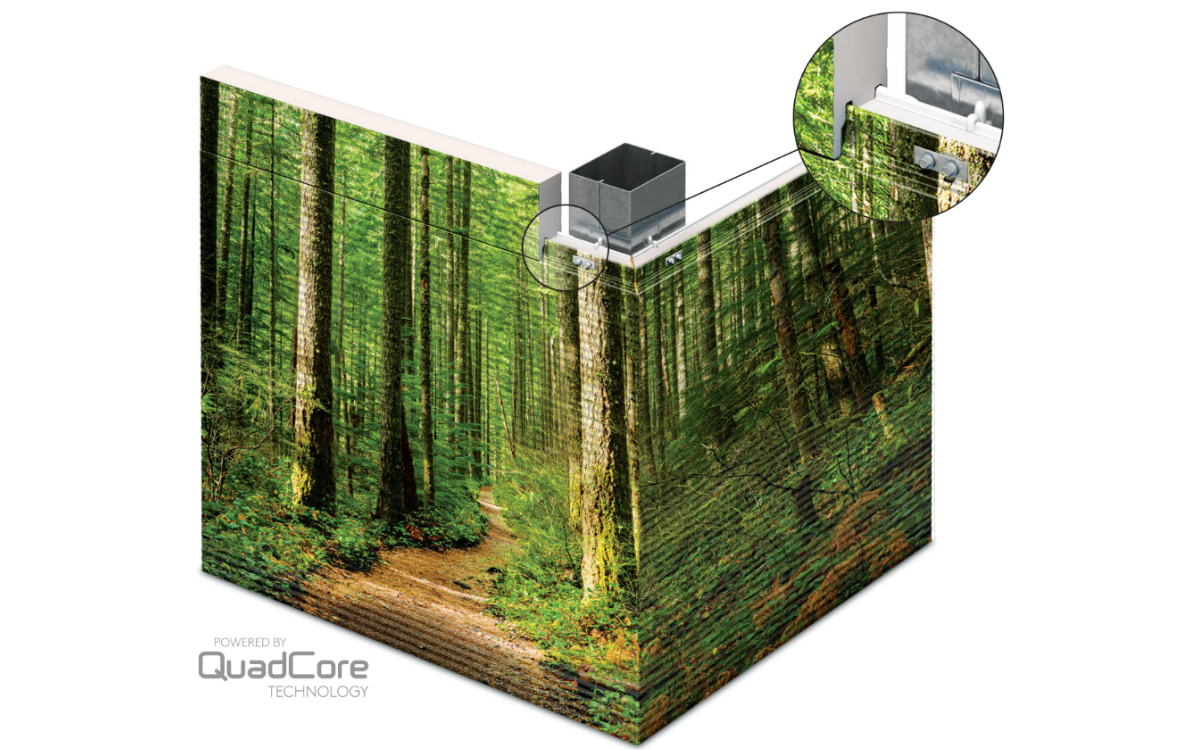
QuadCore™: innovation in insulation cores
New technologies have already been developed in the international market to improve the performance of insulation panels. One example is QuadCore™, whose microcellular core provides significant thermal efficiency per millimeter of thickness.
QuadCore™ makes it easier to achieve high levels of insulation using less material, while also offering durability for the project and long-term stability.
These innovations can significantly contribute to decarbonization goals in industrial, commercial, and logistics buildings.
Economic impact of using insulation panels
Although the initial investment may vary compared to conventional systems, insulation panels offer clear benefits throughout the building’s life cycle:
• Lower demand for HVAC systems
• Reduced energy consumption
• Faster and cleaner installation
• Better long-term thermal performance
Therefore, their evaluation must consider the total cost of building operation, not just the initial price of the material.
Towards more responsible buildings by 2030
Reaching 2030 with a lower environmental impact requires making strategic decisions starting today. In an environment marked by geopolitical uncertainty and climate pressure, construction efficiency stands as a key tool for reducing emissions and improving urban quality of life.
The industry has the technology needed to move forward; contact us so we can offer you a comprehensive solution tailored to your needs. The challenge now is to adopt it with vision, consistency, and responsibility, integrating high-performance insulation solutions, such as wall and roof panels.
Kingspan México
Email: ventas@kingspan.com
Tel: +52 (81) 8196-1150